Oct 28

Written by: Vera Mensah-Bediako

No Gravatar

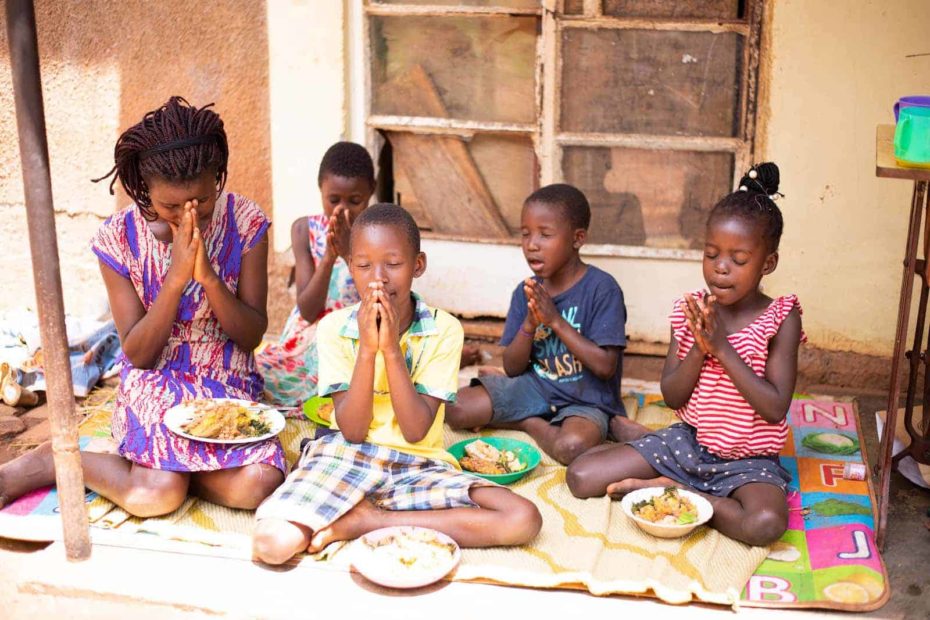
Vulnerable children The walk through the haphazardly planned township of Fadama is not a smooth one. You have to stop from time to time to scan the road to avoid stepping into wastewater on the ground due to lack of a proper drainage system.

Several child development center workers from the Church of Pentecost Fadama went into Fadama to identify impoverished children in the community to be registered into their new center.

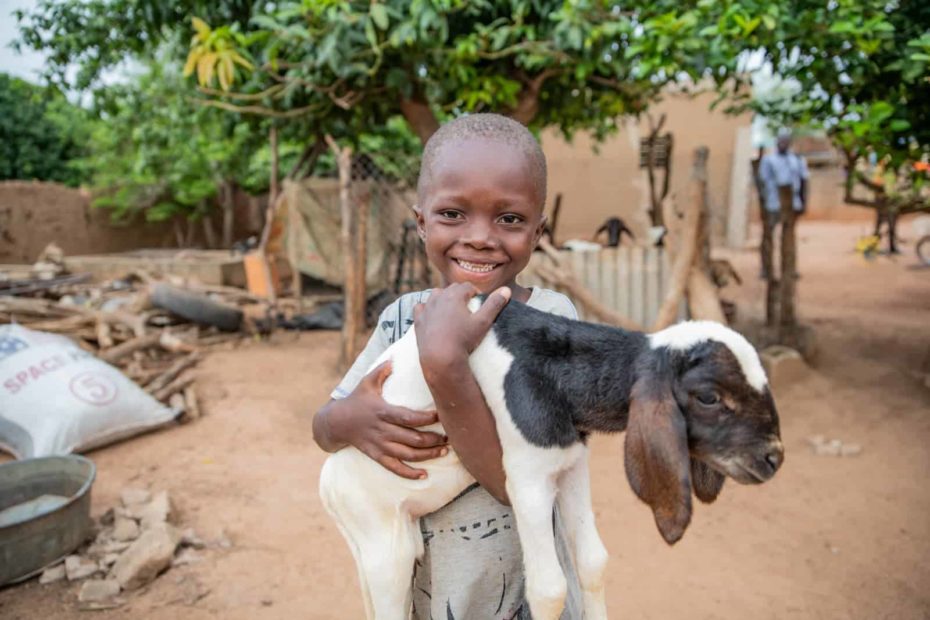
As the four team members turned a corner, they collided with a little boy who had been angrily shoved out of a wooden structure that serves as a place where people go to buy food and eat. Such spots in Ghana are popularly called “chop bars.”

The boy was thin, in worn-out clothes and with no sandals to protect his feet from the filth on the ground. His name was Fred. Read the rest of this entry »

Oct 27

Written by: Marsalina Lekan

No Gravatar

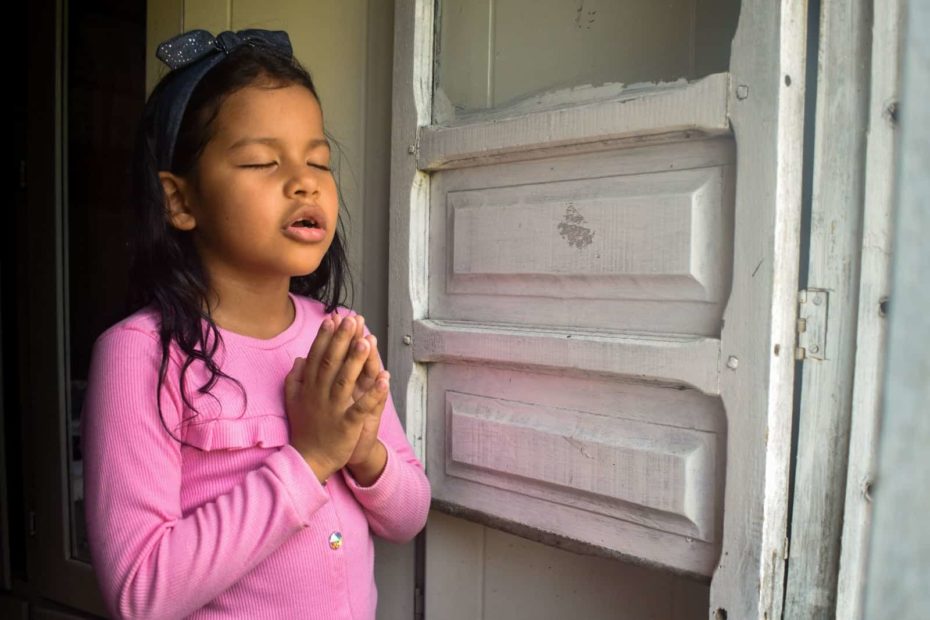
The difference is Jesus Not too long ago, Kelina wasn’t your ideal mother. She would spill her anger over onto her three children, hitting them every day. She never used an empty hand to hit them, but would use rattan to hurt them. Her children were scared of her.

“I started to hit them when my husband wasn’t at home.

“I don’t know why it was so easy to get angry with my children. All I know is that when they wouldn’t do something that I had asked, I became angry and started to smite them. My anger was known as a common and frightening morning greeting for them.”

Kelina lives in Wamena, West Papua, a small city on the western side of the remote island of New Guinea. Wamena women are known as caring people and responsible mothers. Even though they have two major responsibilities, to go to the farmland and take care of their children every day, they still have love to share with their family.

That responsibility encourages Wamena women to be strong against all challenges. Even when they receive challenges from the unpredictable weather, they always try to give their best. In the middle of the difficult conditions, they still are able to give their love and time for their family.

Wamena women think creatively with the resources they have to survive. Even though they do not own farmland themselves, they rent farmland from others. To pay the cost of the rental of the land, they will share half of the crops with the owner of the land.

Although Kelina owned her own land, she didn’t want to take care of it. She had a bad attitude toward it. As a wife of Yosep, Kelina never showed her thankfulness, preferring to blame her husband, who didn’t work and couldn’t support their needs.

“I liked to get angry with him. I even have hit him because he couldn’t support our family financially.”

Kelina didn’t know how to give her love to her family in appropriate ways. Since she was young, Kelina’s parents never taught her.

Kelina also did not have a good relationship with God, even though she was born in a Christian home. She didn’t go to Sunday school very often. She preferred to stay at home and sleep rather than to go to church or have a daily prayer life in the morning.

“I never knew that building a relationship with God would help me to deal with anything. I just know when I feel angry, I can hurt anyone I like to hurt.”

Kelina’s bad attitude didn’t stop at the front door of her house. Kelina liked to gossip about the things going on in her neighborhood.

Kelina once had a fight with one of her relatives who asked for food. She gave her answer with one slap to her relative.

Her bad attitude became a trigger for her to fight with everyone. But then everything changed. Read the rest of this entry »

Oct 26

Written by: Web Team

No Gravatar

Student missionaries Clip two from our video interview with the Moody Bible Institute scholars.

In this clip, Tony explains how Leadership Development Program students are missionaries to their classmates.

You can also view the Student Missionaries video on YouTube.

Oct 23

Written by: Web Team

No Gravatar

Bringing joy Kenneth Kataryeba, a learning and support specialist for East Africa, shares the story of a girl in a wheelchair whom he just met, and how bringing joy to children and helping lift them from the misery of poverty is how he really gets paid.

Oct 22

Written by: Web Team

No Gravatar

Agents of change In late July we interviewed our Moody Bible Institute scholarship recipients using questions you submitted here. We filmed the interview and will be sharing clips from the session with you over the next few weeks.

In this first clip, which is just over 13 minutes long, you’ll get to see how Richmond, Tony, Michelle and Jimmy interact with one another.

You’ll get a taste of the strength of their relationships with one another and with God.

And you’ll get a little insight into what Jimmy probably asked his sponsor when they met at Catalyst 2009.

Beyond getting to know them a little better, by learning what these agents of change are studying at Moody and why they chose their fields of study, you’ll also hear, among other things:

  • Tony speak about his call to serve teenagers
  • Michelle and Richmond share about their desires to develop strong Christian leaders in the Philippines and Uganda
  • Jimmy relate what life was like before he was sponsored

Enjoy.

You can also view the Agents of Change video on Vimeo.

Oct 21

Written by: Brittany Clarke

No Gravatar

Water poverty Ninety-nine percent of the time, I get ready for my day after my 6½-year-old goes off to school. My 15-month-old daughter takes her morning nap around this time, and my 3-year-old plays on starfall.com. It just works better this way.

But for whatever reason, one morning last month I woke up early – too early in my opinion, and I could not fall back asleep.

“Might as well get up,” I thought. So, I got a shower in and, wouldn’t you know, not 10 minutes after I stepped out, I hear a loud “CHUG CHUG CHUG!” coming from my cellar.

I ignored it (mainly because I don’t like going into the cellar) and went to brush my teeth. No water.

CHUG CHUG CHUG.

Great.

After mustering up my courage, I ventured down into the cellar where I could hear the pump or softener making a loud racket.

Now, I’m not a Mrs. Fix-It by any means, but I did know that I should probably turn off the breaker so whatever it was wouldn’t burn out. (Pat myself on the back …)

My husband told me to call the plumber, and thankfully by 3:30 that afternoon, the plumber had dug up our well and found that the iron in the water had corroded part of the well pump pipe (or something like that), which caused the pump to stop pumping the water up.

Purely maintenance, but I was happy the problem was solved. To a degree anyway.

I was informed that I was not to use the water for a couple days so that the filter could go through a few cycles to clean the water.

“Roughly 12 percent of the world’s population, or 884 million people, do not have access to safe water.”

“Yeah, okay, no problem,” I thought, but I soon realized that I use water for way more things than I thought:

  • brushing my teeth
  • taking a bath or shower (which I had to chuckle at, because God made sure I was up before this little event happened … am I that bad before I shower?)

  • rinsing off the dishes
  • running the dishwasher
  • running the washing machine
  • cooking

  • ice
  • flushing the toilet – which was okay to do after they fixed the pump, the water was just a murky gray.
  • washing my hands

“Diarrheal diseases can be reduced by more than 40 percent through the simple practice of washing hands with soap and water.”

“The average person in the developing world uses a little more than 2.5 gallons of water each day for drinking, washing and cooking. Whereas the average person in the developed world uses 13 gallons per day only for toilet flushing. “

My water problem lasted only a few days and just required some simple adjustments to our lifestyle. My husband picked up several gallons of water on his way home from work, which allowed us to continue in a fashion pretty close to normal. But as I waited for him to get home with the water, I stood in my house – and I broke down.

What about my sponsored children?

Where do they get their water?

How far do they have to travel?

Is it clean?

“Water-related diseases are the second biggest killer of children worldwide. This is around 5,000 deaths a day.”


Sources: www.who.int, www.wateraid.org, www.unicef.org


Oct 20

Written by: Katy Balsis

No Gravatar

It’s a scary, beautiful road when we leave the comfort of the familiar to forge a new path.

For two years, I worked as an assistant for the International Program Group Communications team. I had an incredible boss who encouraged me to pursue my passions. I flourished under his leadership as I learned more about my skills and developed relationships around the ministry.

So two months ago, when offered a new position as the International Partner Development Web and Marketing Specialist, I knew what I had to do. This was an opportunity to steward my gifting and passions for writing, marketing, and cultivating relationships of impact.

But that meant leaving the people I’d grown so close to. My co-workers had become a second family to me!

Learning a new role can be lonely. Sure, I love my new bosses and the new people I’m meeting, but I miss my old team. Leaving familiar paths to venture onto new ones feels vulnerable and sometimes scary.

A new friend of mine, Colleen,* knows these feelings well.

I met Colleen through OurCompassion, which I now work to help develop. She’s a sponsor and correspondent from Australia, and she recently blogged on OurCompassion about her struggle with cancer: Read the rest of this entry »

« Previous Entries Next Entries »