
Facts About Uganda: The Pearl of Africa
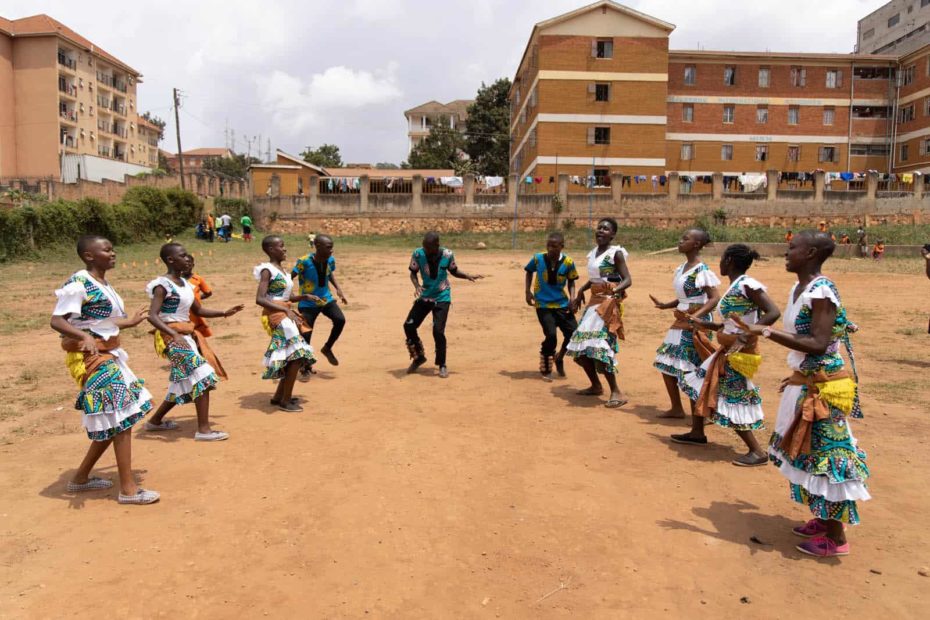
Uganda is home to bustling cities, breathtaking national parks and unique wildlife. And amid all its natural beauty, you’ll find even more beautiful people and culture. Learn some fun facts about Uganda that will help you get to know this vibrant and diverse country where nearly 126,000 Compassion-assisted children live.
Continue Reading ›Facts About Togo: A West African Treasure
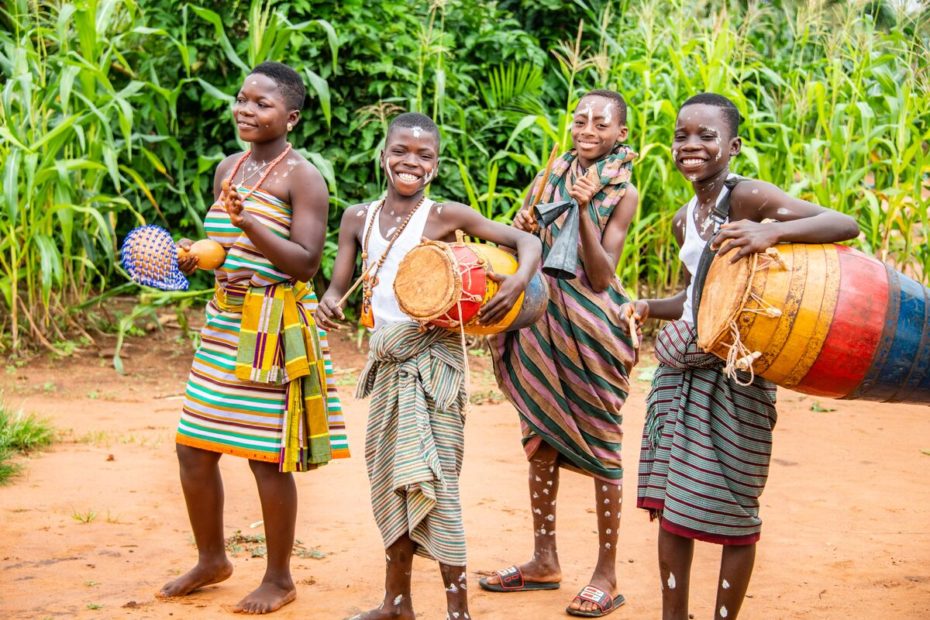
Togo is a small West African country tucked in the midst of Ghana, Benin and Burkina Faso and bordered on the south by the Gulf of Guinea. Let’s learn some interesting facts about Togo – the home of over 66,000 Compassion-assisted children.
Continue Reading ›
Facts About Tanzania: The Land of Wonders
Tanzania is a stunning country found in East Africa along the Indian Ocean. We’d love to share some interesting facts about Tanzania that will teach you about its fascinating culture and traditions. Come travel with us to the country that nearly 100,000 Compassion-assisted children call home!
25 Powerful Photos of Children’s Rooms That Will Move You
Step into the homes of 25 children who live in poverty. Whether it’s a corner of a domed traditional home, a simple hammock, or a private space created by a curtain partition, each of these children’s rooms offers precious insight into their daily lives.
These Kids in Togo Need Your Prayers This Christmas!
This Compassion center in southern Togo knows how to throw a memorable celebration at Christmastime. This year, however, a shadow of uncertainty is cast over the children and their families. COVID-19 restrictions have been enforced across Togo, prohibiting the center’s traditional Christmas gathering. Kids at the center are still grappling with what this Christmas will look like. Read their words below, and lift up a prayer for children like them around the world who are grieving this year.
Facts About Rwanda: Land of a Thousand Hills
Rwanda is a stunning landlocked country found in East Africa. Known as the “Land of a Thousand Hills,” Rwanda boasts towering volcanos like Mount Karisimbi, where mountain gorillas live. Learn some interesting facts about Rwanda and the 99,430 Compassion-assisted children who live there.
Facts About Ghana: The Land of the Warrior King
The Republic of Ghana is a bustling country found in West Africa. Ghana boasts great natural wealth and beauty, not to mention giant markets, colonial forts and a lively culture. Here are some fun facts about Ghana that will help you to understand the culture and traditions of this country.
20 Photos That Capture How Awesome Children Are
The world feels a little wild at the moment, the future unknown. Yet every day I see stories about society’s smallest and most vulnerable members — children — who are facing extreme challenges with their heads up and their shoulders back.
Children — those funny, remarkable, resilient and surprising people — are one-third of our population and all of our future. If you need some hope today, here are 20 reminders that children are precious, and the future is in good hands.
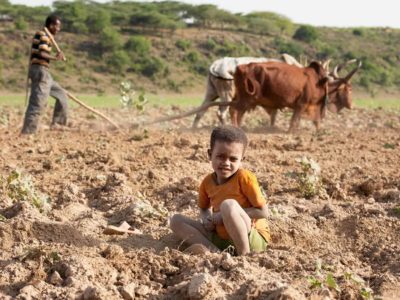
How Does the Environment Affect Children in Poverty?
How do changes in the environment affect children and their families on the front lines of poverty? Here are two stories from Uganda that reflect the devastating impact that climate events can have on the well-being of our sponsored children, and the hope that can be provided by Compassion through the local church.
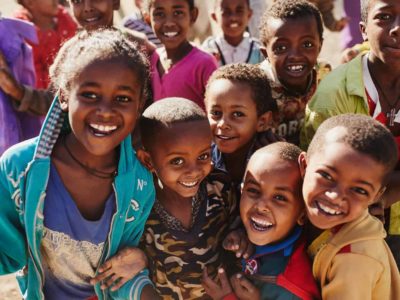
Facts About Ethiopia: The Land of Origins
Ethiopia is a stunning nation found on the Horn of Africa. This landlocked country is one of the oldest in the world, and its people are proud of their rich heritage. Alongside the breathtaking vistas and fascinating traditions, there is deep need and suffering due to poverty.
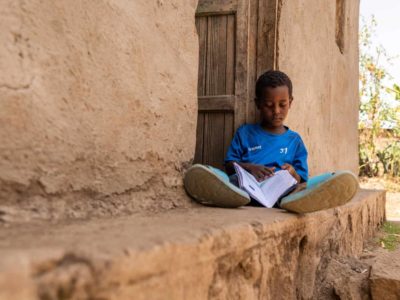
Not Convinced Your Letters Matter? Meet Kenenisa.
Letters. They are a source of joy and discouragement for nearly every sponsor I’ve met. If you sponsor a child, you might wonder: Do my letters really matter? To answer that question, let me introduce you to 6-year-old Kenenisa in Ethiopia!
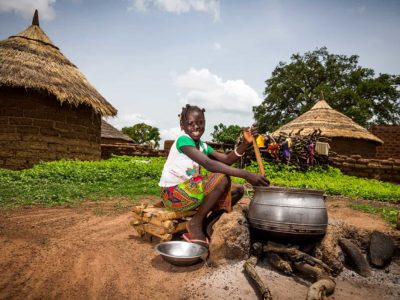
Facts About Burkina Faso: The Land of Honorable People
Burkina Faso — known as the land of honorable people — is home to more than 60 ethnic groups and many rich cultural traditions.
Today we’d like to share an array of facts about Burkina Faso — facts that will give you a deeper look into the culture of this beautiful country where tens of thousands of Compassion-assisted children live.

