
The Shunammite Woman: A Faith-Inspiring Devotional
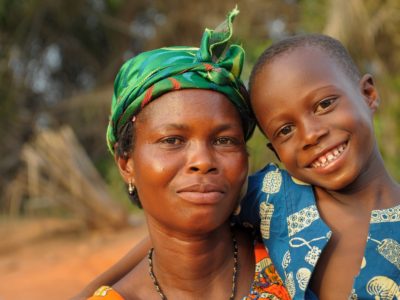
This devotion about Elisha and the Shunammite woman by one of our staff at Compassion Ghana will inspire you to muster up faith when faced with tragedy!

Why Are Names Important? A Biblical Perspective
Names are important. They have power. They define us. They’re more than a bunch of letters grouped together to sound pleasant to the ear. Names are more than a convenience allowing us to talk to each other. Names are a gift from God. They contain His power. They define things. They define us.
How to Pray for Children
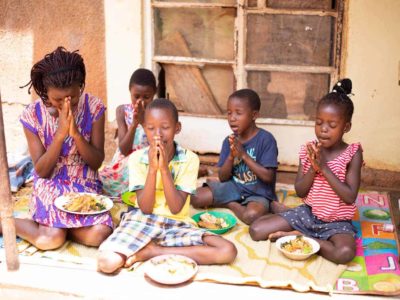
How and why people pray vary by church, culture and life circumstances. Prayer doesn’t need to be a formal, ritualized practice. It’s simply a conversation with God that we can strike up in any number of ways. Still, it’s interesting to considerthe many reasons, places and times people pray, and the wide variety of methods used.
About Prayer
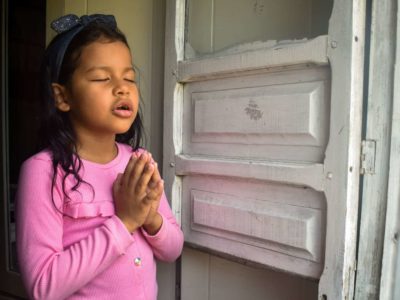
Prayer is an integral part of our programs and work. Here’s what the Bible says about prayer and why we believe prayer is so important.
Watch: A Compassion Storyteller’s 4 Favorite Videos
Ryan Johnson, Creative Manager for Global Marketing at Compassion, is an award-winning documentary director and humanitarian photographer who has worked in six continents and 40-plus countries, telling stories in some of the most remote and challenging environments on Earth.
Recently, we asked Ryan to choose a few favorites from films he’s worked on since joining Compassion in 2012. Watch his top picks and read why he chose each.
When God Answered a Guatemalan Family’s Prayers
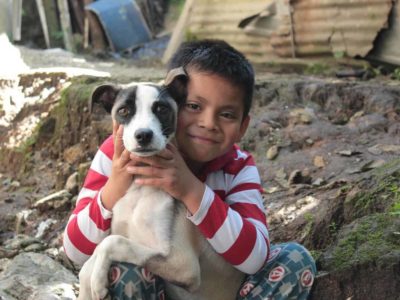
It has been such a pleasure sharing stories of thanksgiving from our field staff this year as part of the Compassion Prayer Network’s focus on gratitude. This month, I want you to meet Lidia, who works in public relations in our Compassion Guatemala office. Lidia shared with us the story of a Compassion-assisted child and his mother, Amelia. Lidia’s letter beautifully weaves together the disaster and the hope that Elfego and his family faced. I hope you find encouragement in this story and that it reminds you to look for the hope in the midst of difficult circumstances.
A Glimpse Into the Life of a Compassion Trip Leader
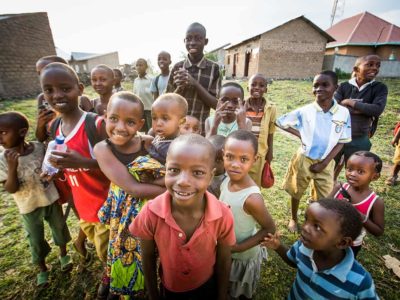
I still remember walking through the doors of the Global Ministry Center, Compassion’s headquarters, for the first time. An indescribable feeling came over me — I had arrived home. I knew that I wanted to work for children, see God’s kingdom come by upholding the cause of the oppressed, and build a bridge between different cultures that need each other. But, never in my wildest dreams would I have thought that his plans for me included being a part of the Trips and Visits team at Compassion.
3 Public Speaking Tips That Improved My Letters to My Sponsored Child
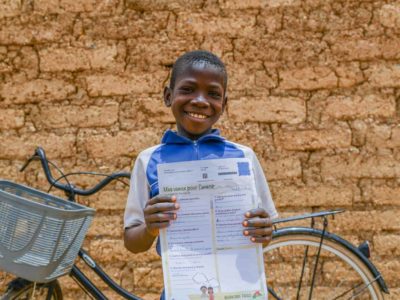
Recently I went to a public speaking workshop. I never thought of myself as a public speaker before I had to give a three-minute talk on the topic of my choice to complete strangers. I wrestled with preparing my talk for nine months! But my mentor shared three tips that helped me — and I realized that these same tips could also be applied in letters to the child I sponsor.

Let’s Make 2021 an Epic Year of Gratitude and Praise
The only way through hard times is … well, through it. You can’t go over, under or around difficult seasons. You simply plow through, one step at a time. Last year was hard. And that didn’t go away because the calendar flipped to 2021. But there is good still in the world.
What God Teaches Us When We’re Forced to Slow Down
What did you do for vacation this summer? I’m guessing that instead of getaways, many of you experienced unexpected changes of all kinds. Each of us has endured significant life interruptions this year that have forced us to slow down. I have too. Here’s what happened when I took a leap of faith — one that sent me backward. I’m sharing my story with the hope that it will encourage you as you navigate yours.

6 Authentic Ways to Be Generous but Not Judgmental
Working in poverty alleviation, I can feel the need to explain and justify the nice things I have. I worry that people will judge me or will judge the organization I work for if I don’t drive a junker and get my clothes on consignment. But I’ve come to realize that my justifications are creating a culture — a culture around me of implied judgment of the choices of others by my constant need to justify my own purchases and assets.
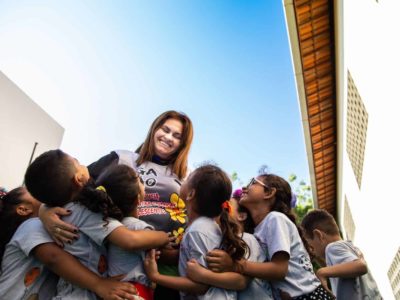
5 Helpers Caring for Kids Behind the Scenes
My favorite thing to do when visiting a Compassion center is to look for the helpers. I hug the cook and thank her for lunch. I find a tutor and tell her how the sacrifices she makes are changing lives. And I shake hands with a pastor and thank him for showing each precious child the love of Jesus. Today, will you wander with me to find the helpers?

